Where the credit stands
The Energy Efficient Home Improvement Credit — section 25C — applied to qualified improvements made after January 1, 2023. The IRS states it can be claimed for improvements made through 2025-12-31, and that the credit is allowed for qualifying property placed in service on or after January 1, 2023 and before that date.
A 2026 bid should not show a federal credit line
If a contractor is deducting a federal tax credit from a quote for work being done now, either the quote is out of date or the credit is being used as a closing tool. Ask which. State and utility incentives are a different question and often still live.
What it covered
| Category | Annual cap |
|---|---|
| Heat pumps, heat-pump water heaters, biomass stoves and boilers | $2,000 |
| Other energy-efficient property and improvements | $1,200 |
| Exterior doors | $250 each, $500 total |
| Exterior windows and skylights | $600 |
| Home energy audits | $150 |
| Combined maximum in one year | $3,200 |
The credit equalled 30% of qualified expenses, had no lifetime dollar limit, and was nonrefundable — you could not get back more than you owed, and excess could not be carried forward. In 2025 a further condition applied: for each item of qualifying property placed in service, no credit was allowed unless the item was produced by a qualified manufacturer and the taxpayer reported the Qualified Manufacturer Identification Number on their return.
What this means for a quote
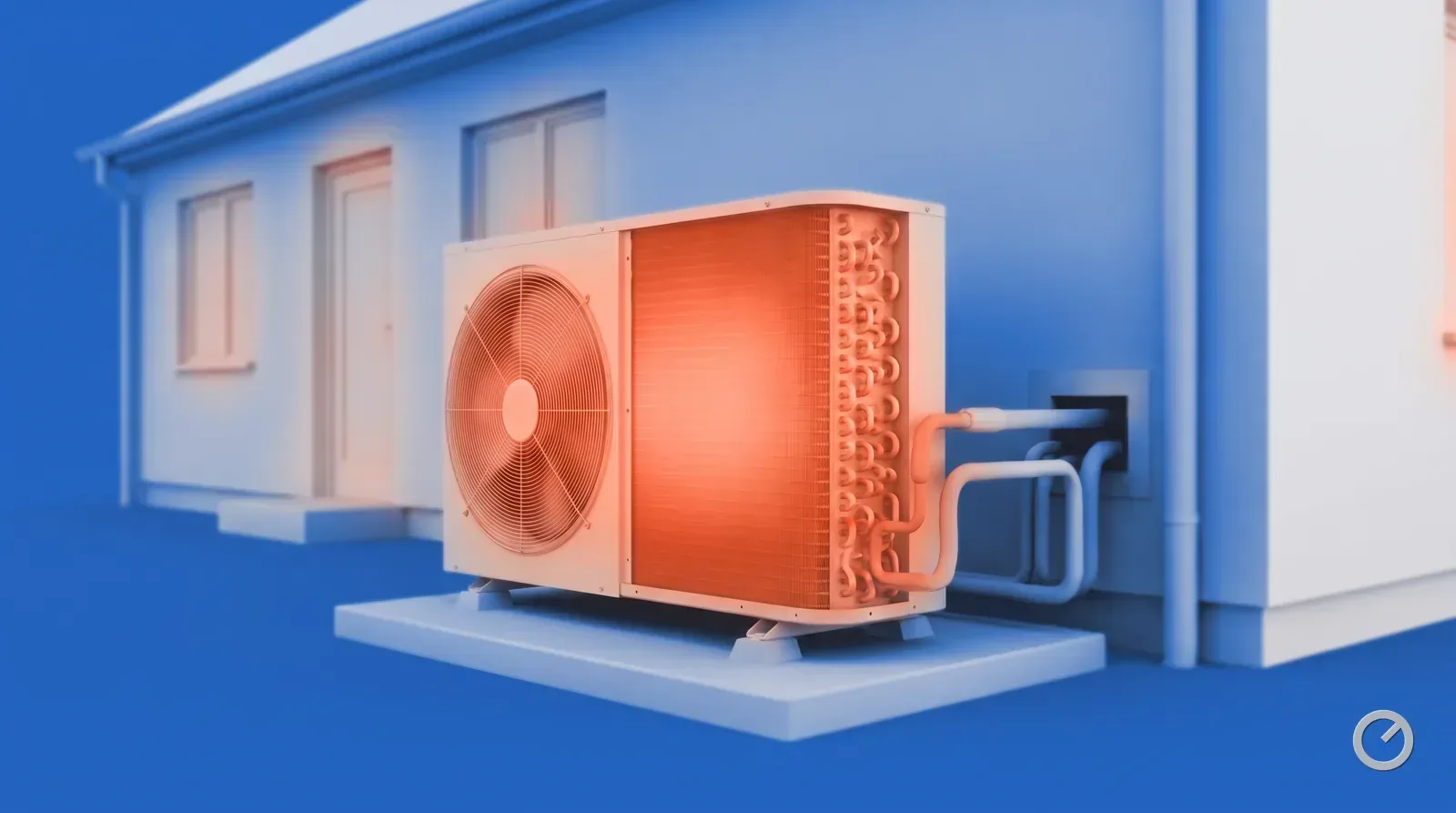
Two practical effects. First, the net price of a heat pump conversion rose by up to $2,000 relative to 2025, which changes the comparison against a gas furnace replacement. Rerun it in the replacement cost calculator with no credit line and see whether the decision holds.
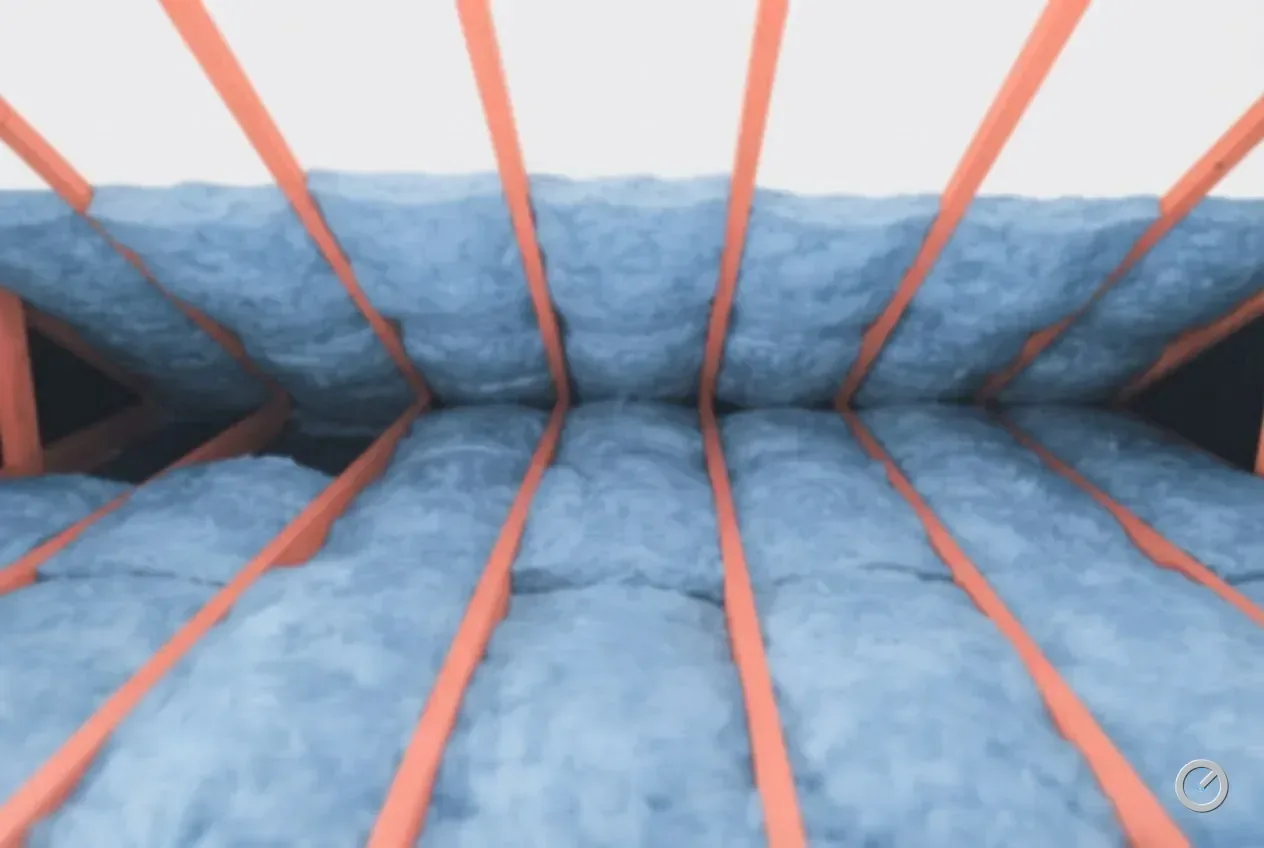
Second, the argument for spending on the envelope instead got stronger. Air sealing and attic insulation shrink the load, which shrinks the equipment, which shrinks the bill — and none of that depended on a credit.
Where the money still is
- Utility rebates. Many electric and gas utilities run their own equipment rebates, often several hundred dollars for high-efficiency equipment or a heat pump. These are territory-specific and change annually.
- State energy office programmes. Several states administer their own home-energy rebate programmes with their own eligibility and their own timelines.
- Manufacturer and distributor promotions. Seasonal, and usually applied by the contractor rather than claimed by you.
- Financing offers. Not a rebate — read the rate and the term before treating a low monthly payment as a discount.
How to ask about a rebate
Ask the contractor for the programme name, the administering body and the exact equipment requirement, then verify it on that body's own site before you rely on it. A rebate that exists is easy to name; one that is being used to close a sale usually is not.
And keep the paperwork whatever happens: model numbers, AHRI certificate, invoice with the installation date. Programmes that reopen almost always want documentation from the original job.
Sources: IRS, Energy Efficient Home Improvement Credit (read 2026-09-04)