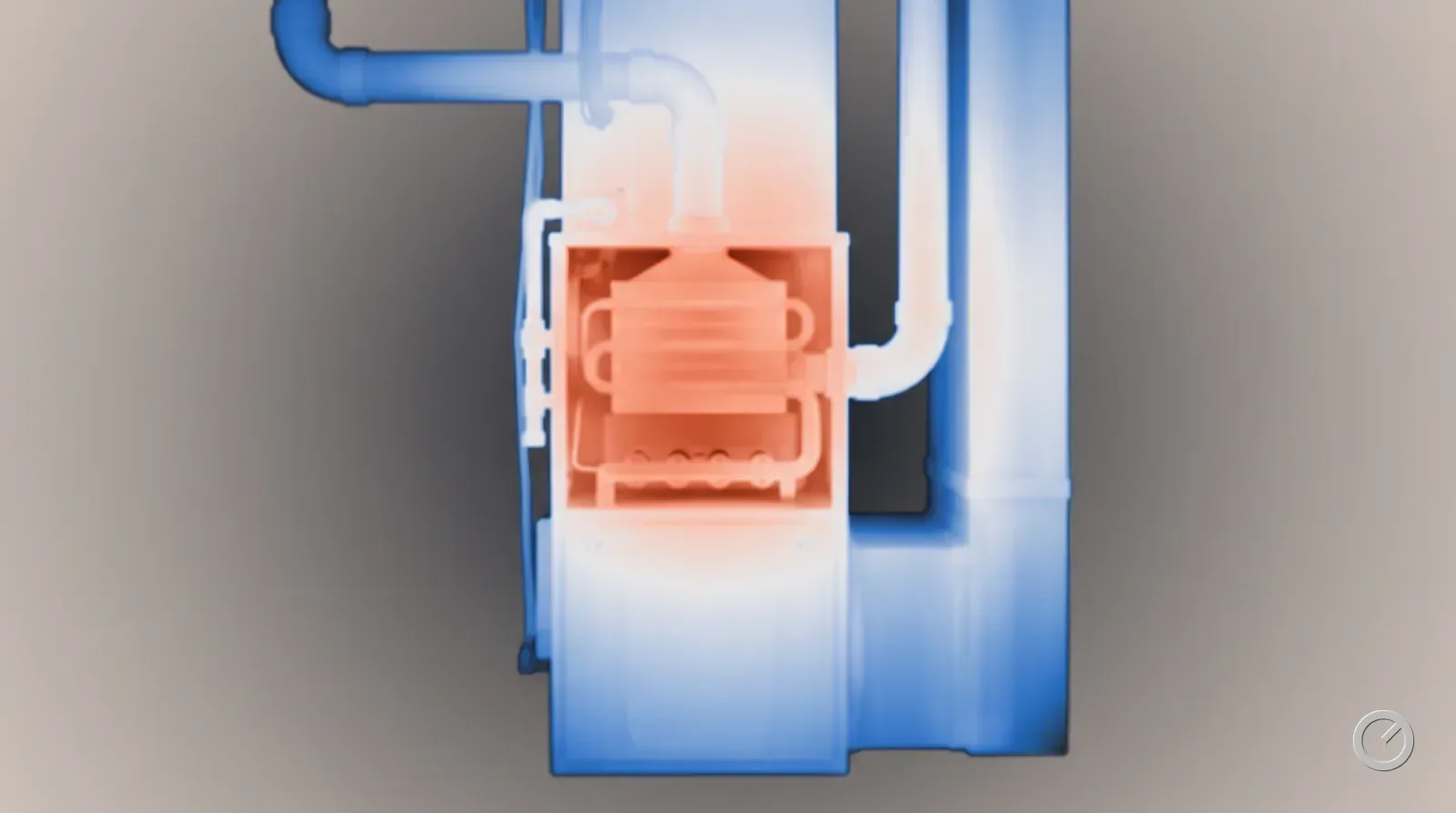
What AFUE measures
Annual fuel utilization efficiency is a seasonal average: total useful heat output over a heating season divided by total fuel energy input. An 80% AFUE furnace turns 80 cents of every fuel dollar into heat in the house and sends 20 up the flue.
Two things it does not measure. It excludes the electricity the blower uses, which on an older PSC motor running long hours is not nothing. And it is a laboratory seasonal average, not your house — an oversized furnace short-cycling in a leaky house will not achieve its rated figure.
The federal minimums
| Product class | Minimum AFUE |
|---|---|
| Non-weatherized gas furnace | 80% |
| Mobile home gas furnace | 80.0% |
| Non-weatherized oil-fired furnace | 83% |
| Mobile home oil-fired furnace | 75.0% |
| Weatherized gas furnace | 81% |
| Weatherized oil-fired furnace | 78.0% |
| Electric furnace | 78% |
Electric furnaces are not 78% efficient
An electric resistance element turns essentially all of its electricity into heat. The 78% figure in the standard reflects the test procedure's treatment of jacket and duct losses, not a thermodynamic loss. What makes electric resistance expensive is the price of a delivered BTU as electricity, not the appliance — see the fuel cost calculator.
Where 90% comes from
Above about 88% a furnace has to condense. Burning natural gas produces water vapour; normally it goes up the flue carrying its latent heat with it. A condensing furnace adds a second heat exchanger that cools the flue gas below its dew point, recovers that latent heat, and drains the resulting acidic condensate.
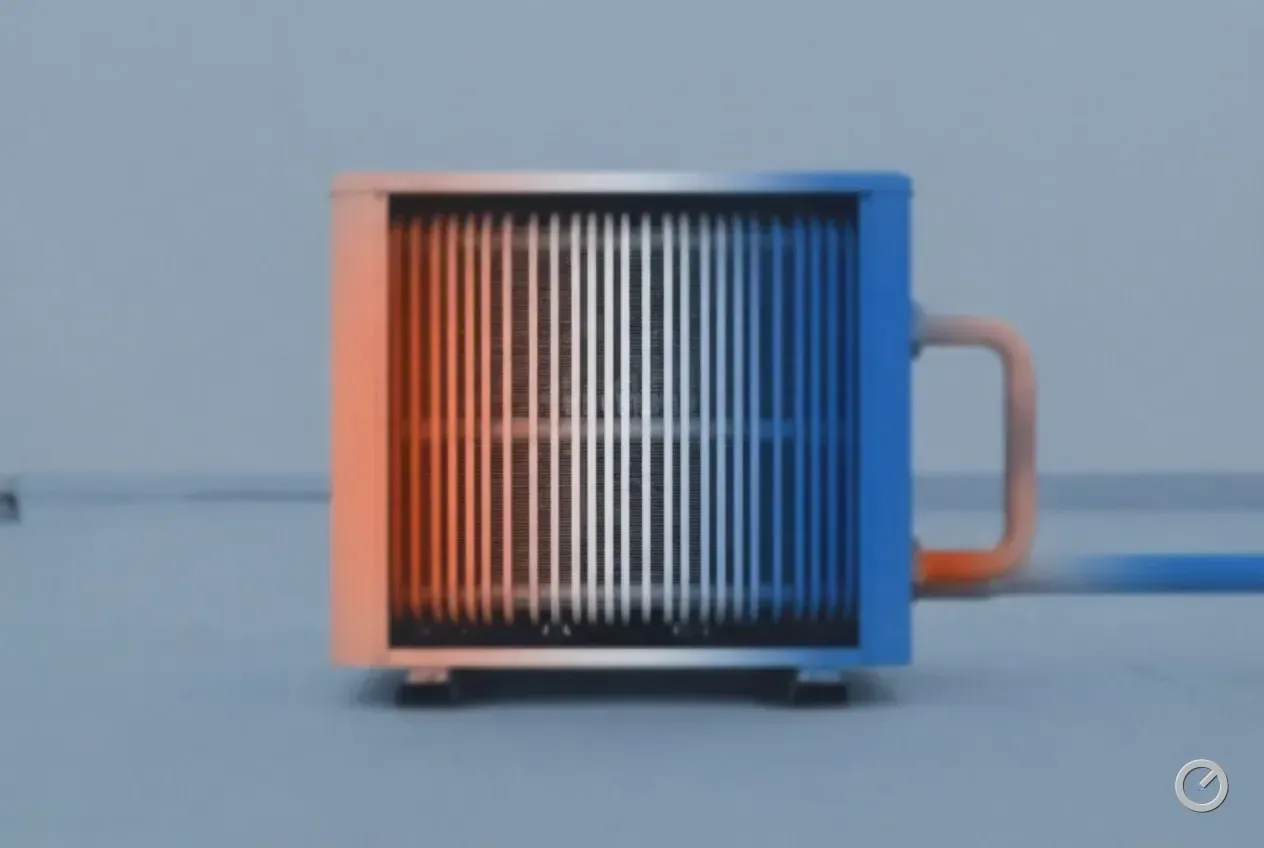
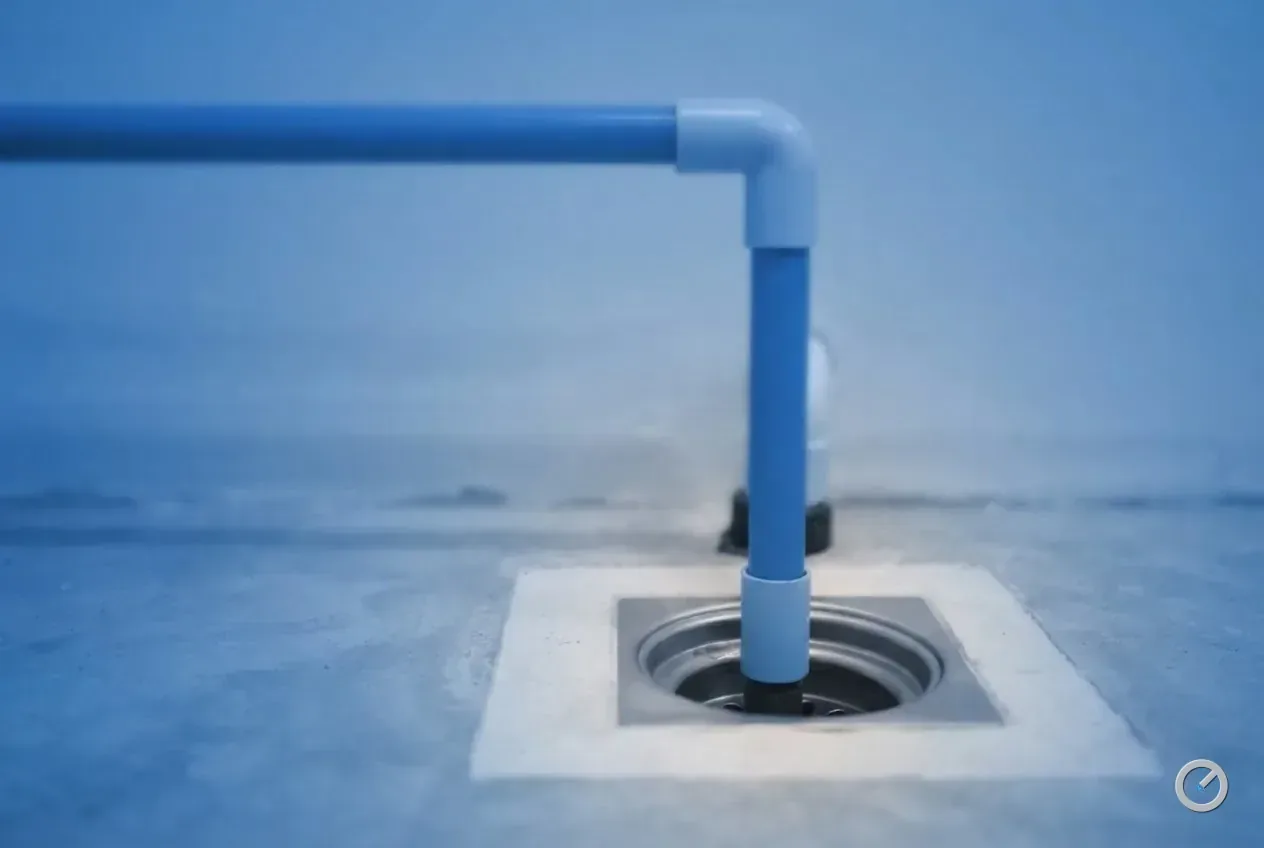
That is why 90%+ furnaces vent in PVC rather than metal — the exhaust is cool — and why they need a condensate drain, often with a neutraliser. In a house currently venting into a masonry chimney, going condensing means new venting and a drain, and it may mean lining the chimney for the water heater left behind on it.
What a point is worth
Fuel cost scales inversely with AFUE. Moving from 80% to 96% cuts fuel use by about 17%, because 0.80 ÷ 0.96 = 0.833. On a 55 MMBtu season at the 2025 heating-season average gas price of $13.84 per Mcf, that is roughly $150 a year.
Whether that pays for the upcharge depends on your climate and your gas price. In zone 6 with a long season it usually does. In zone 3, where the furnace runs a few hundred hours, it often does not — and the money is better spent on the envelope.
The 2028 step
Gas furnaces manufactured on or after 2028-12-18 must be at least 95% AFUE. That effectively ends the standard-efficiency non-condensing gas furnace as a new product.
For anyone replacing before then it changes the maths of the venting decision. If the house will eventually need PVC venting and a condensate drain anyway, and you are opening the mechanical room now, doing that work once is the cheaper path. The replacement cost calculator has the line items to price both versions.
Sources: 10 CFR 430.32(e)(1)(iii) (read 2026-09-04) · EIA series N3010US3M, U.S. price of natural gas delivered to residential consumers (released 2026-08-31) (read 2026-09-04)