The venting decision
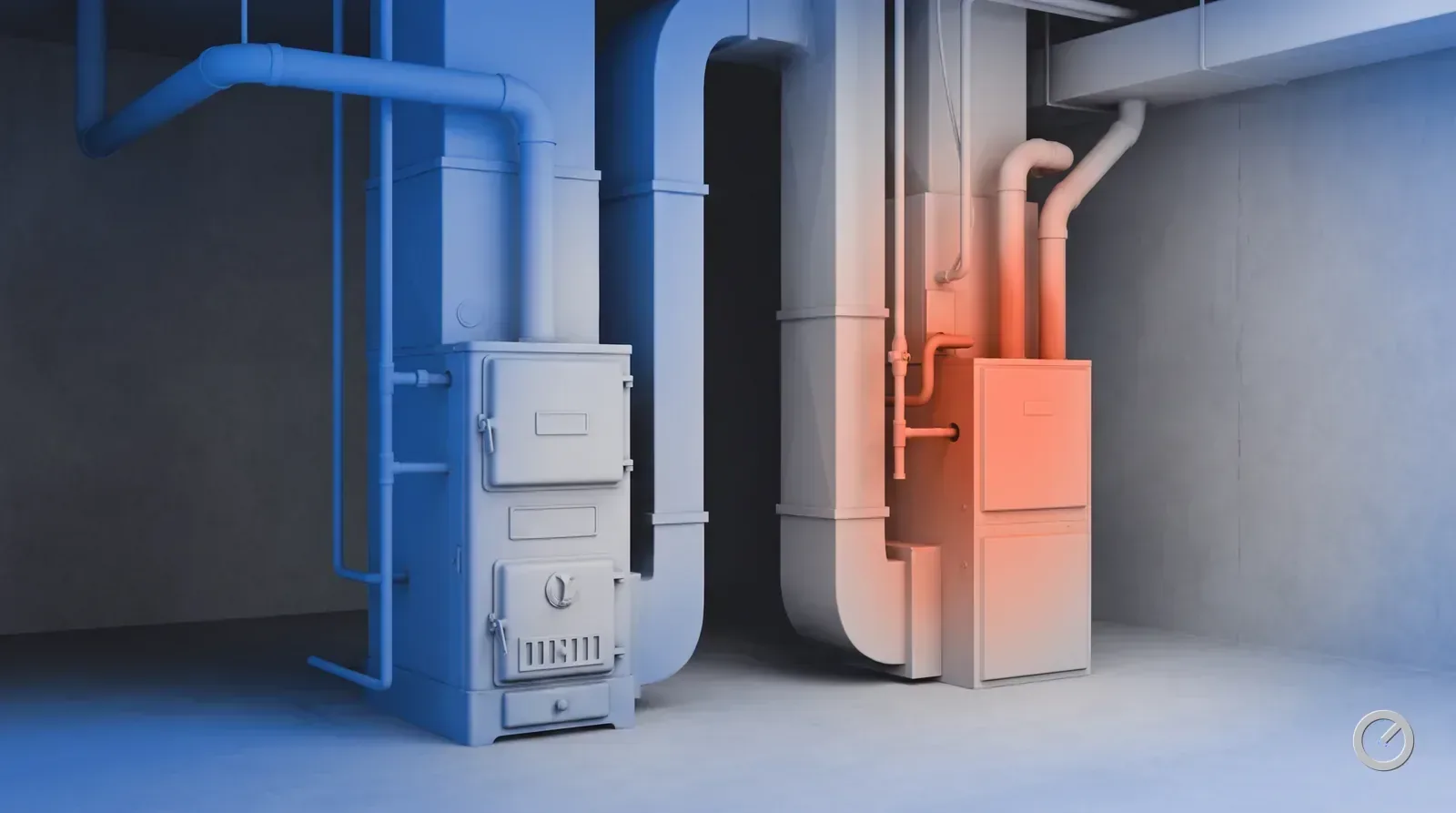
A standard-efficiency furnace at 80% AFUE vents hot flue gas up a metal or masonry chimney. A condensing furnace above about 90% cools the flue gas below its dew point, so it vents in PVC out a side wall and drains acidic condensate.
If the existing vent is a chimney, going condensing means running new PVC to an exterior wall — through joists, past finishes, with clearances to windows and intakes — plus a condensate drain and often a pump and neutraliser. That is real labour, and it is the single biggest variable in a furnace price.
The orphaned water heater
The line that gets left off cheap bids
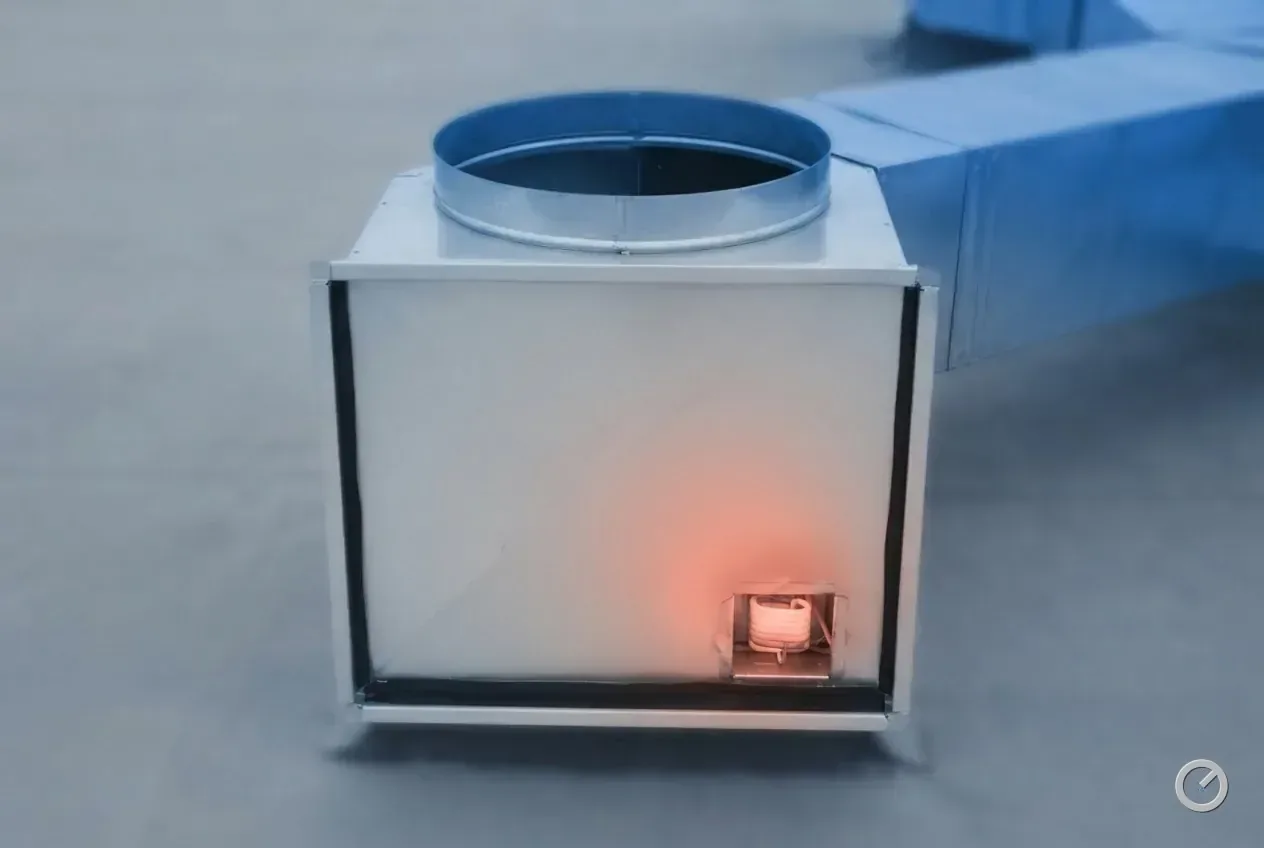
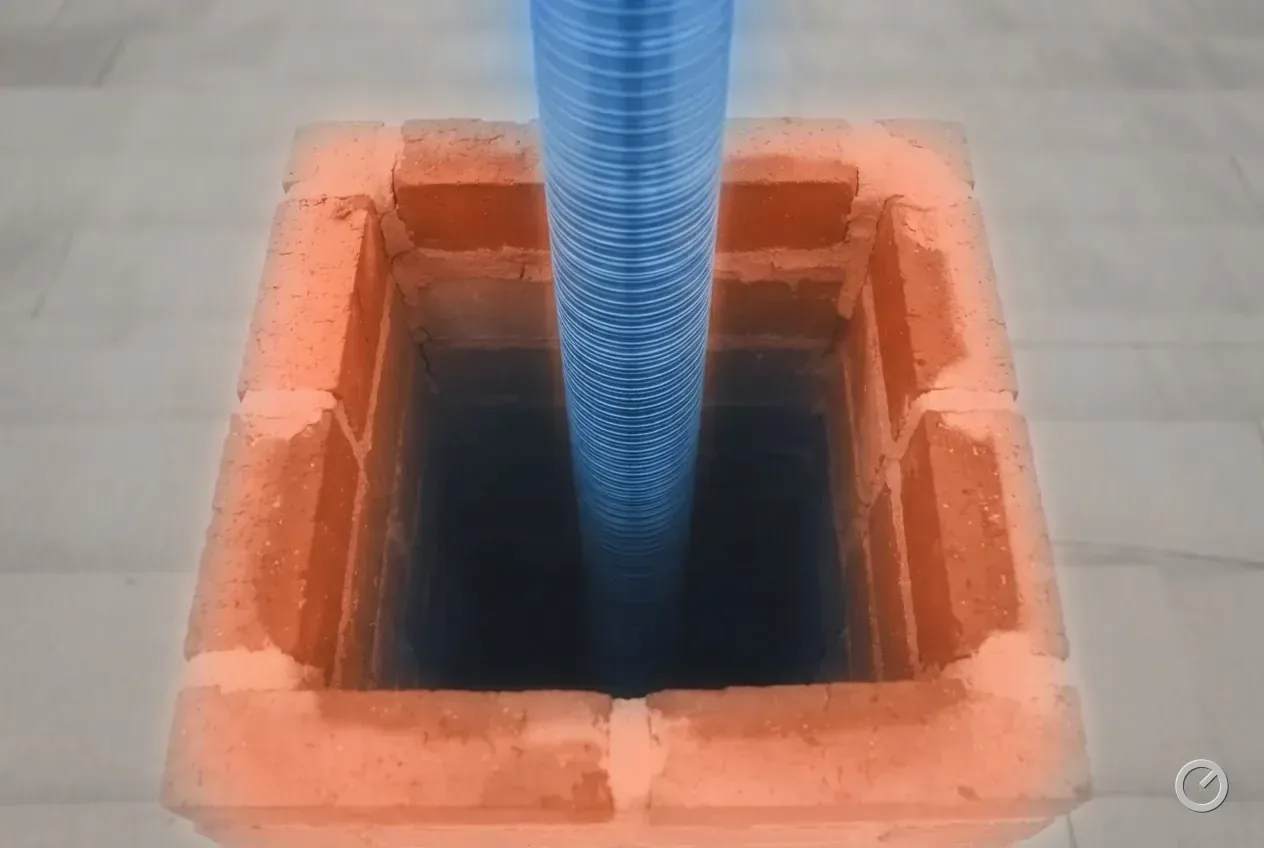
If the furnace and a natural-draft water heater share a chimney and the furnace moves to PVC, the water heater is left alone on a flue sized for two appliances. It may no longer draft properly, and the code answer is usually a correctly sized liner — or replacing the water heater with a power-vented or heat-pump model.
This is a combustion-safety item, not an upsell. Ask directly what the plan is for the water heater's venting.
Stages and blowers
| Tier | Burner | Blower | What it buys |
|---|---|---|---|
| Entry | Single stage | PSC | Heat. Loud starts, big temperature swings |
| Mid | Two stage | Constant-torque ECM | Longer, quieter low-fire runs; steadier rooms |
| High | Modulating | Variable-speed ECM | Near-continuous low output; best comfort, most electronics |
The comfort difference between single and two stage in a cold climate is larger than the efficiency difference. The blower matters as much as the burner: a variable-speed ECM uses a fraction of the watts of a PSC over a long season, and it holds airflow when static pressure is high — which, as the static pressure guide shows, it usually is.
Does efficiency pay
Fuel cost scales inversely with AFUE, so 80% to 96% cuts fuel about 17%. Whether that justifies the condensing upcharge depends on how much gas you burn. In zone 6 with a long season it usually does. In zone 3, where the furnace runs a few hundred hours a year, the money goes further into the envelope.
Put your own season and gas price into the fuel cost calculator. The U.S. residential heating-season average in 2025 was $13.84 per Mcf; yours may be half that or double it.
Reading the quote
- Input and output BTU/h, and the AFUE — not just "a 100,000 BTU furnace".
- The load calculation that produced that size, not the old nameplate.
- Venting: material, route, terminations, and clearances to openings.
- Condensate: drain route, pump if needed, neutraliser if the code requires one.
- The water heater's venting plan if a shared chimney is being abandoned.
- Sheet metal: plenum and transitions fabricated to the new cabinet.
One planning note: gas furnaces manufactured on or after 2028-12-18 must be at least 95% AFUE. If the venting upgrade is coming eventually, doing it during this replacement is cheaper than doing it during the next one.
Sources: 10 CFR 430.32(e)(1)(iii) (read 2026-09-04) · EIA series N3010US3M, U.S. price of natural gas delivered to residential consumers (released 2026-08-31) (read 2026-09-04)