What the number is
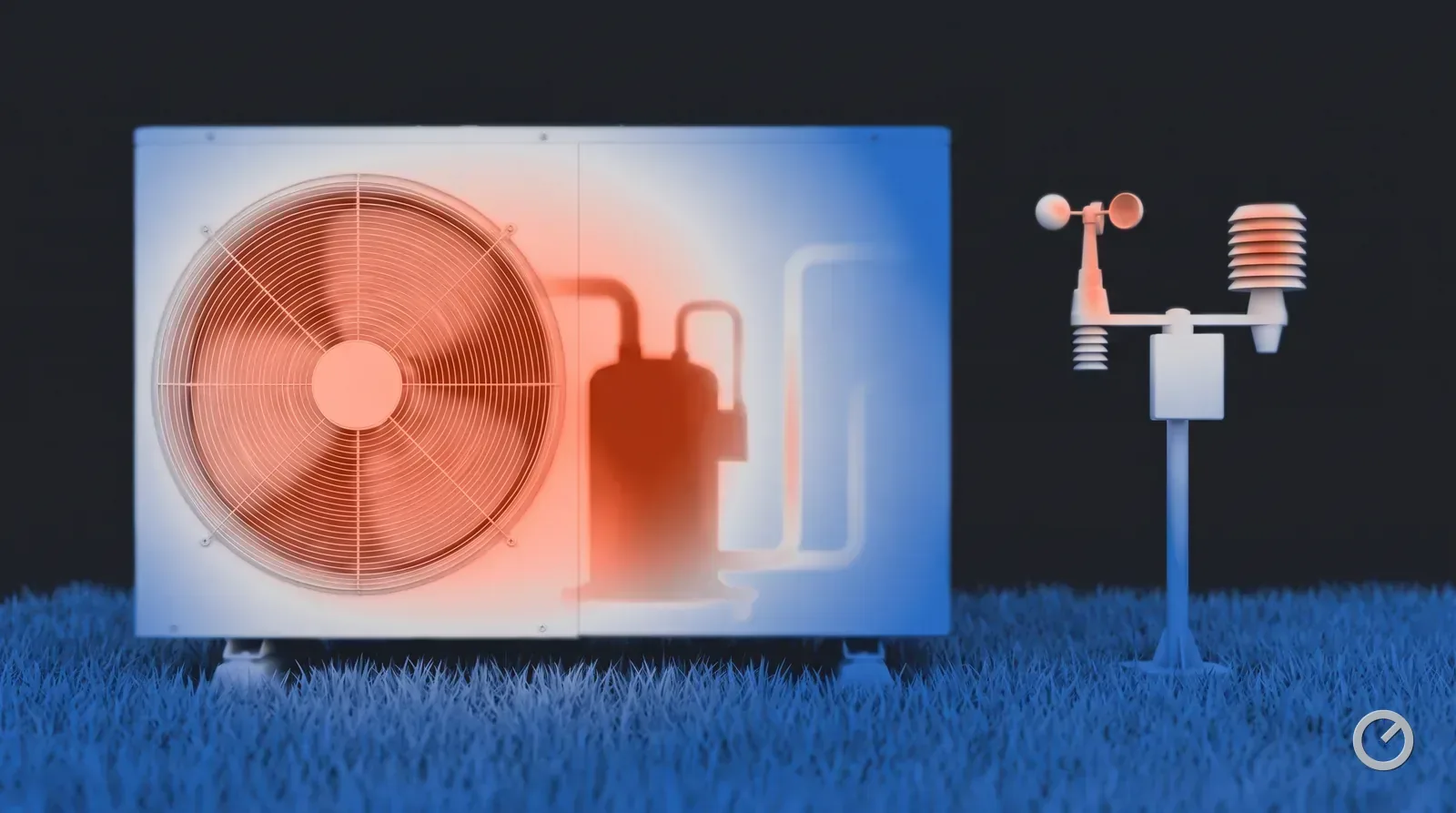
HSPF2 is total heating output in BTU divided by total electrical input in watt-hours, across a standardised heating season that includes the defrost cycles and the supplemental heat the test procedure assumes. An 8.5 HSPF2 heat pump delivers 8.5 BTU of heat for every watt-hour it draws.
Federal minimums are 7.5 HSPF2 for split systems and 6.7 for single-package units, alongside SEER2 minimums of 14.3 and 13.4 on the cooling side.
HSPF against HSPF2
HSPF2 replaced HSPF in 2023 as part of the same test-procedure change that produced SEER2. The headline difference is external static pressure: the new procedure tests at 0.5 inches of water column instead of 0.1, which is far closer to what a real duct system asks of a blower. The same machine scores roughly 15% lower on HSPF2 than it did on HSPF.
Never compare the two directly
A 10 HSPF unit from 2021 and an 8.5 HSPF2 unit from 2026 are approximately the same machine. If a quote or a comparison mixes the two scales it is either careless or deliberate; ask which standard each figure is on.
Turning it into COP
Coefficient of performance is the unitless version: heat out divided by energy in, both in the same units. Since a watt-hour is 3.412 BTU, dividing HSPF2 by 3.412 gives the seasonal COP.
seasonal COP = HSPF2 ÷ 3.412

 7.5 HSPF2  →  COP 2.20
 8.5 HSPF2  →  COP 2.49
10.0 HSPF2  →  COP 2.93
| Rating | Seasonal COP | $/MMBtu delivered |
|---|---|---|
| Electric resistance | 1.00 | $53.66 |
| 7.5 HSPF2 | 2.20 | $24.41 |
| 8.5 HSPF2 | 2.49 | $21.54 |
| 10.0 HSPF2 | 2.93 | $18.31 |
Computed from the EIA U.S. residential average price; put your own rate into the fuel cost calculator.
Three things it hides
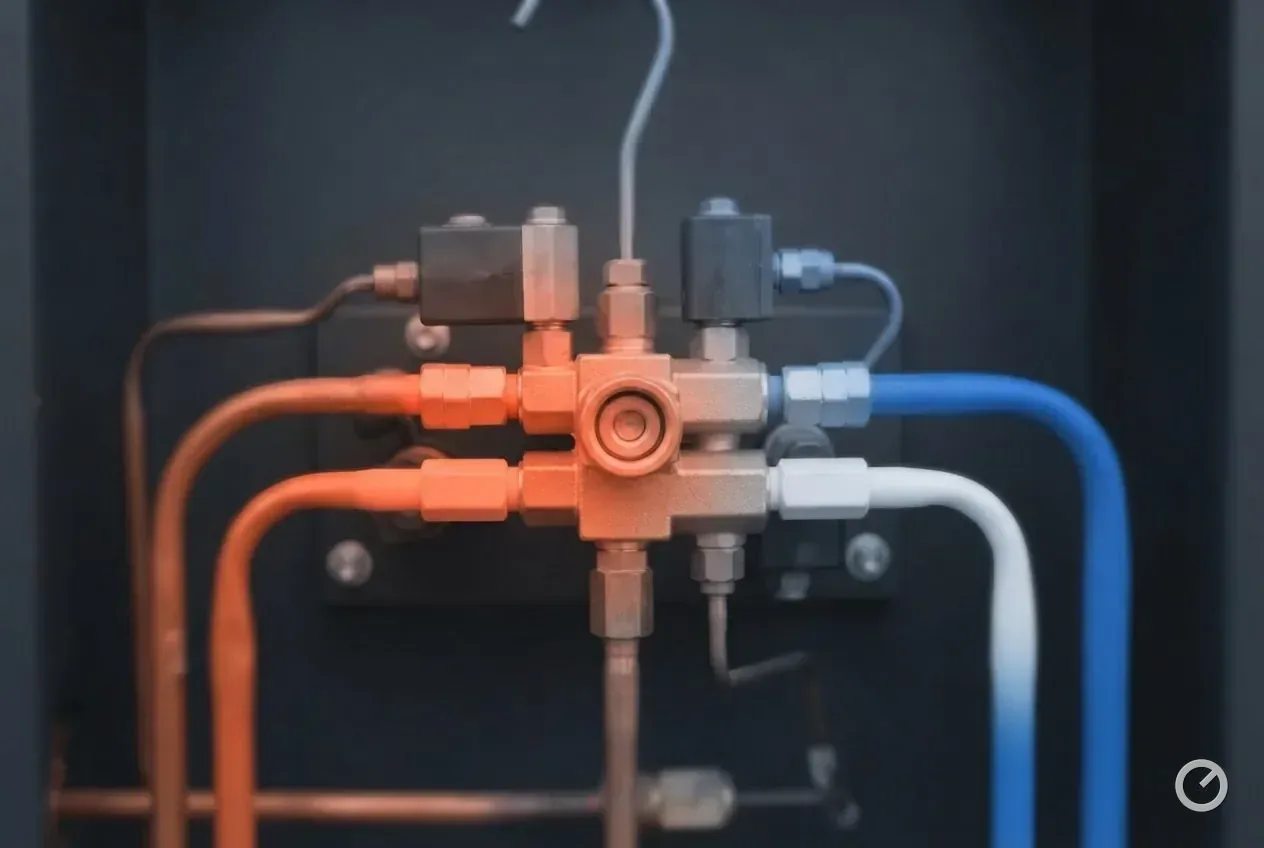
Capacity at your design temperature. HSPF2 is a seasonal efficiency, not a capacity. Two units with identical HSPF2 can have very different output at 5 °F. Read the capacity table, not the rating.
Your climate. The rating uses a standard climate region. A unit rated in that season may perform quite differently in zone 6 or zone 2. It is a comparison tool between products, not a prediction for your house.
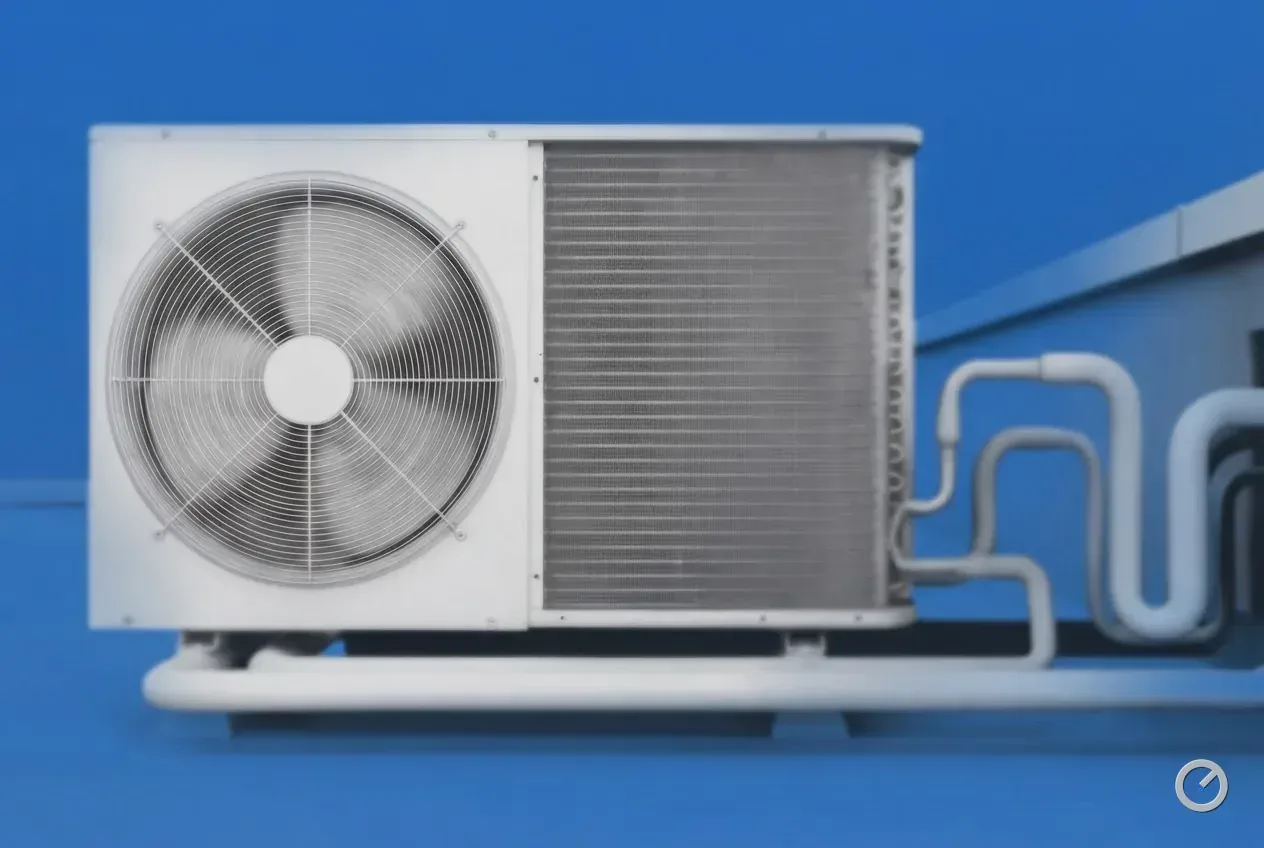
How much strip heat you will actually use. The procedure assumes a particular balance point. If your unit is undersized for the heating load, your real-world seasonal efficiency will be worse than the label, because resistance heat at COP 1.0 is dragging the average down. Find your balance point with the sizing calculator before you trust the rating.
Sources: 10 CFR 430.32(c)(5)(ii) (read 2026-09-04) · EIA Electric Power Monthly, Table 5.6.A (released 2026-09-24) (read 2026-10-18)